Frame System
Frame
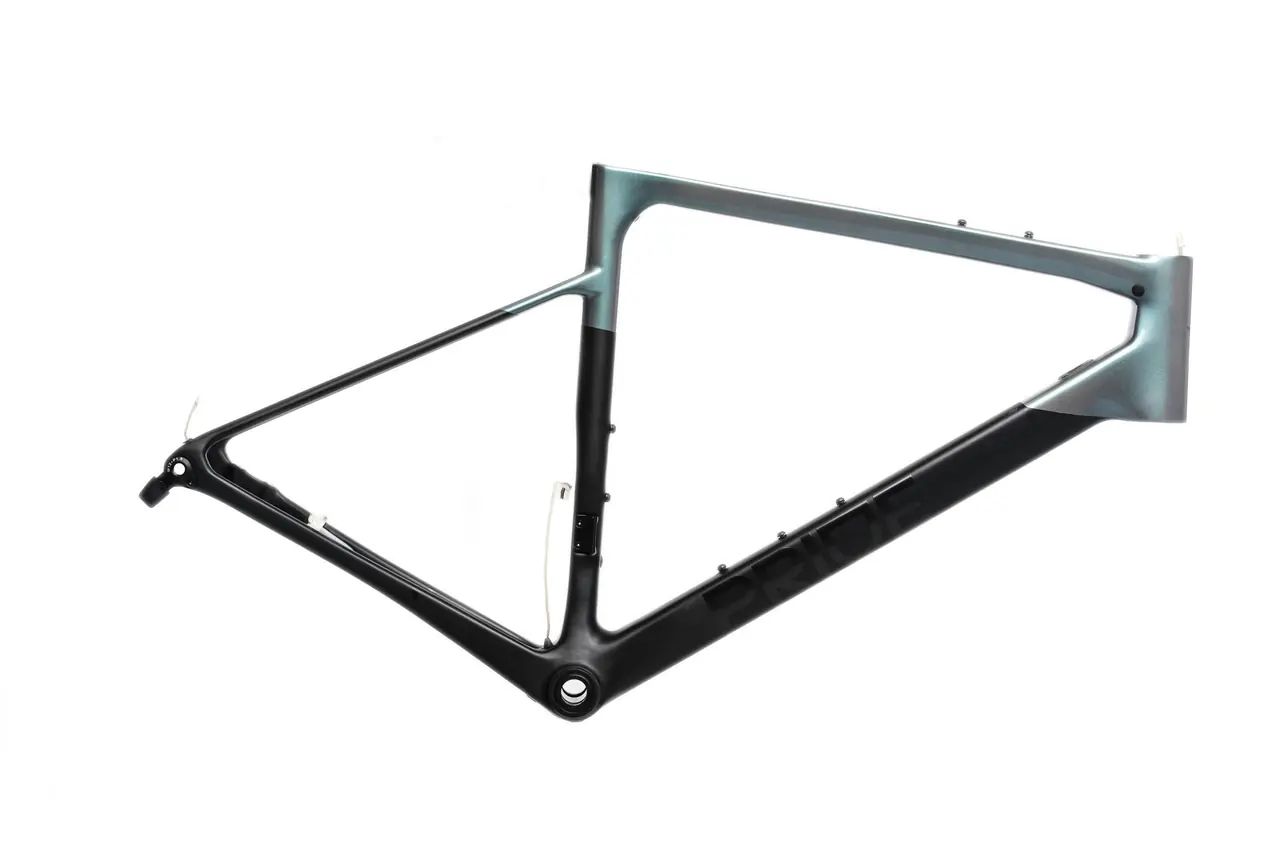
The main structure of the bicycle, made of joined tubes. Every other component is attached to it.
Learn more about the FrameExplore the parts that make up a bicycle and learn what each component does and how it works.
Explore the main parts of a bicycle. Click any labelled component to learn what it does and how it works.
Scroll sideways to see the whole diagram.
Real parts
Photos of the components labelled on the diagram above. Choose a part to learn what it does and how it works.
Frame System
The main structure of the bicycle, made of joined tubes. Every other component is attached to it.
Learn more about the Frame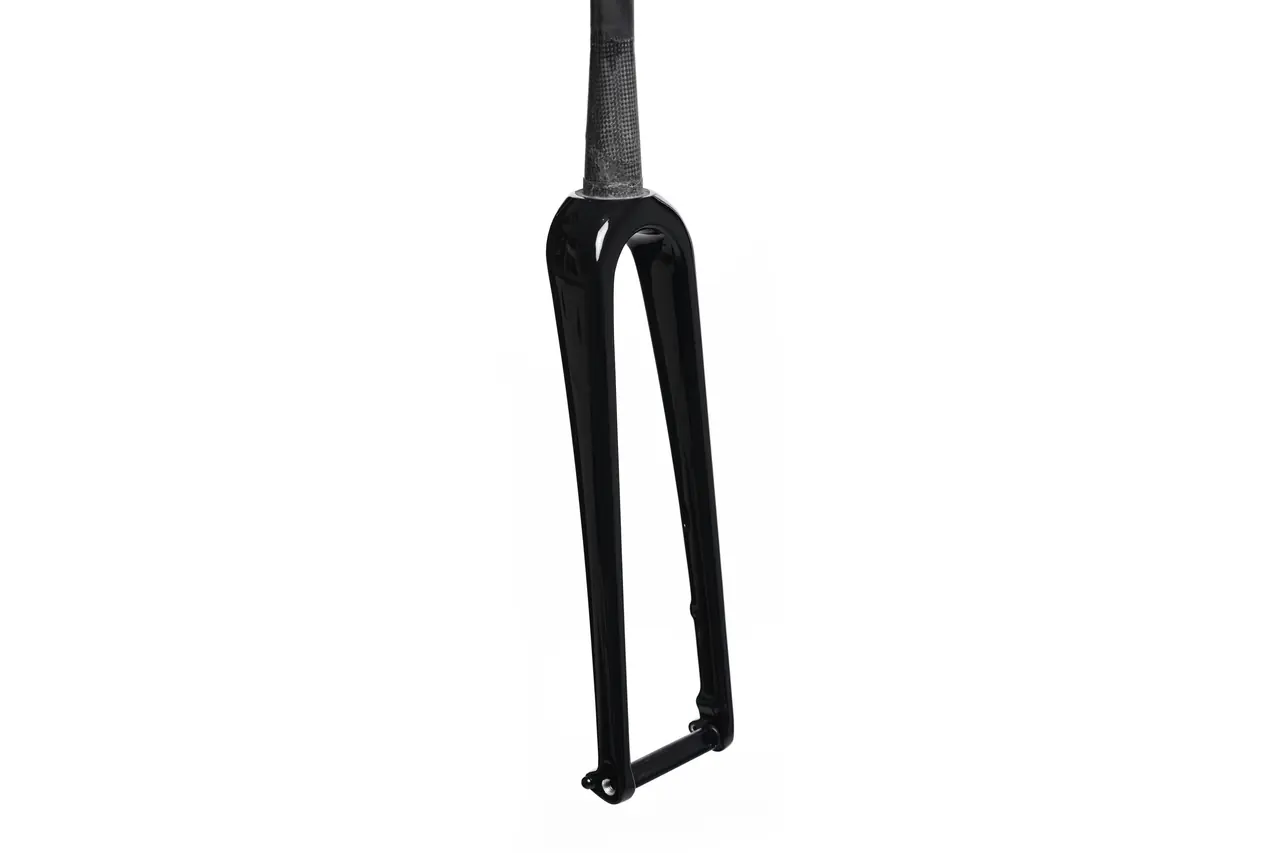
Frame System
The two-legged part that holds the front wheel and connects it to the frame through the head tube.
Learn more about the Fork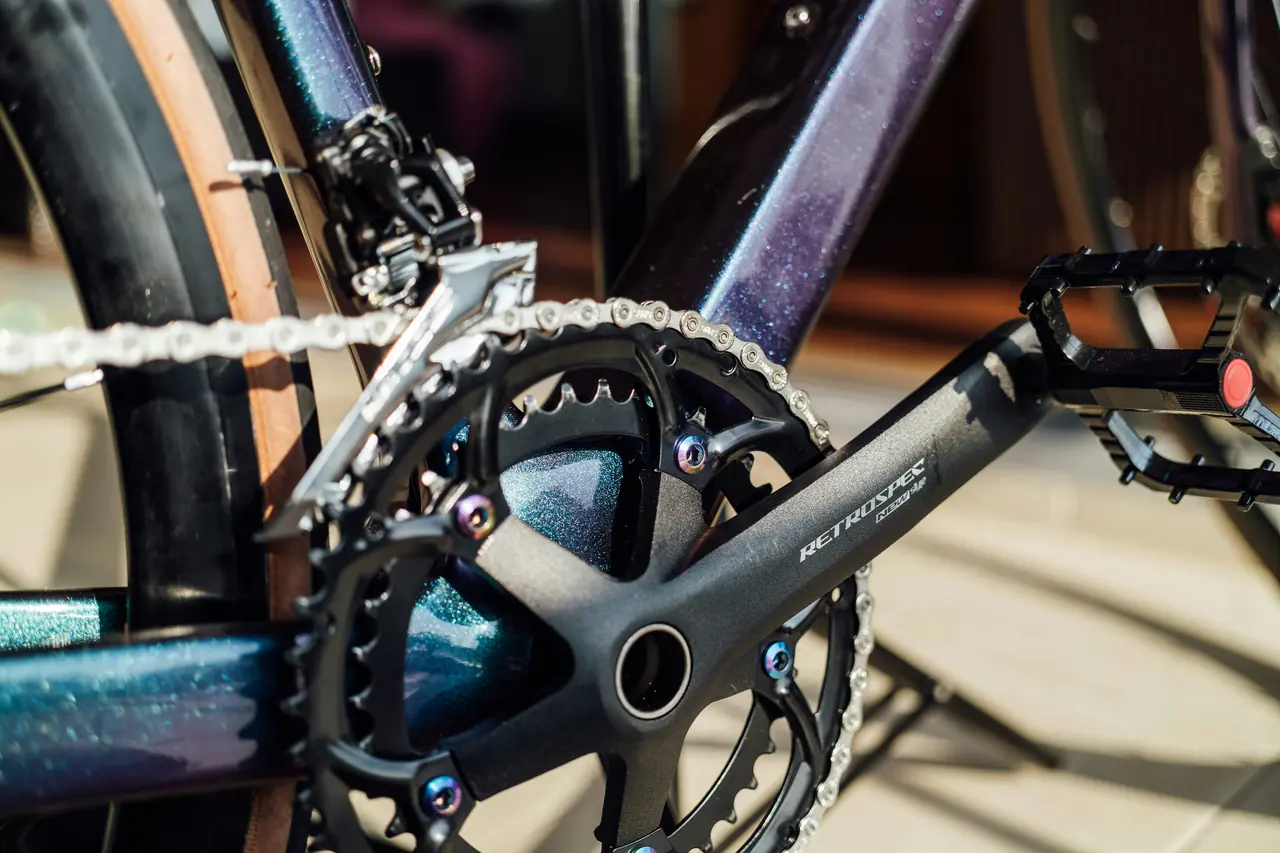
Drivetrain
The crank arms and the toothed chainrings attached to them. The pedals screw into the ends of the crank arms.
Learn more about the Crankset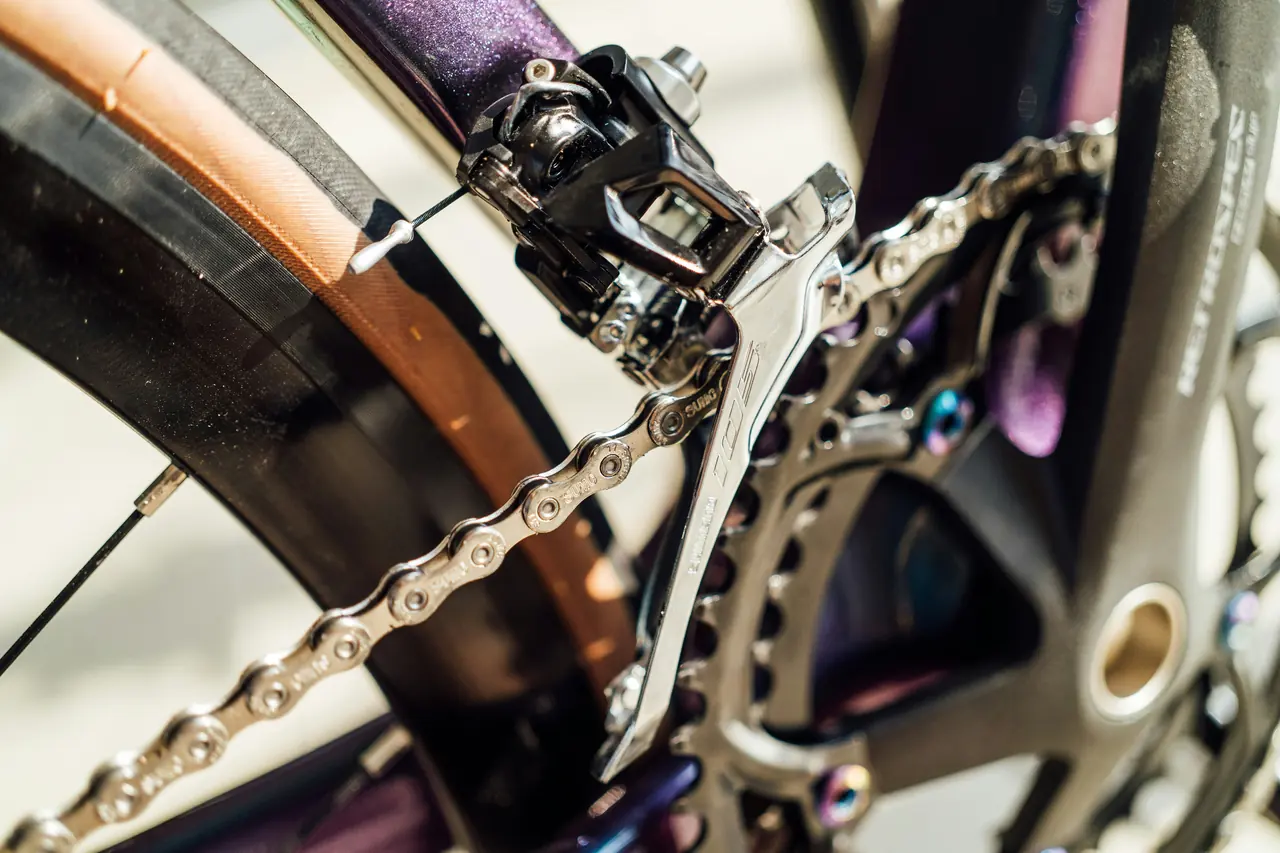
Drivetrain
A loop of linked metal plates and rollers that connects the chainring at the front to the cassette at the back.
Learn more about the Chain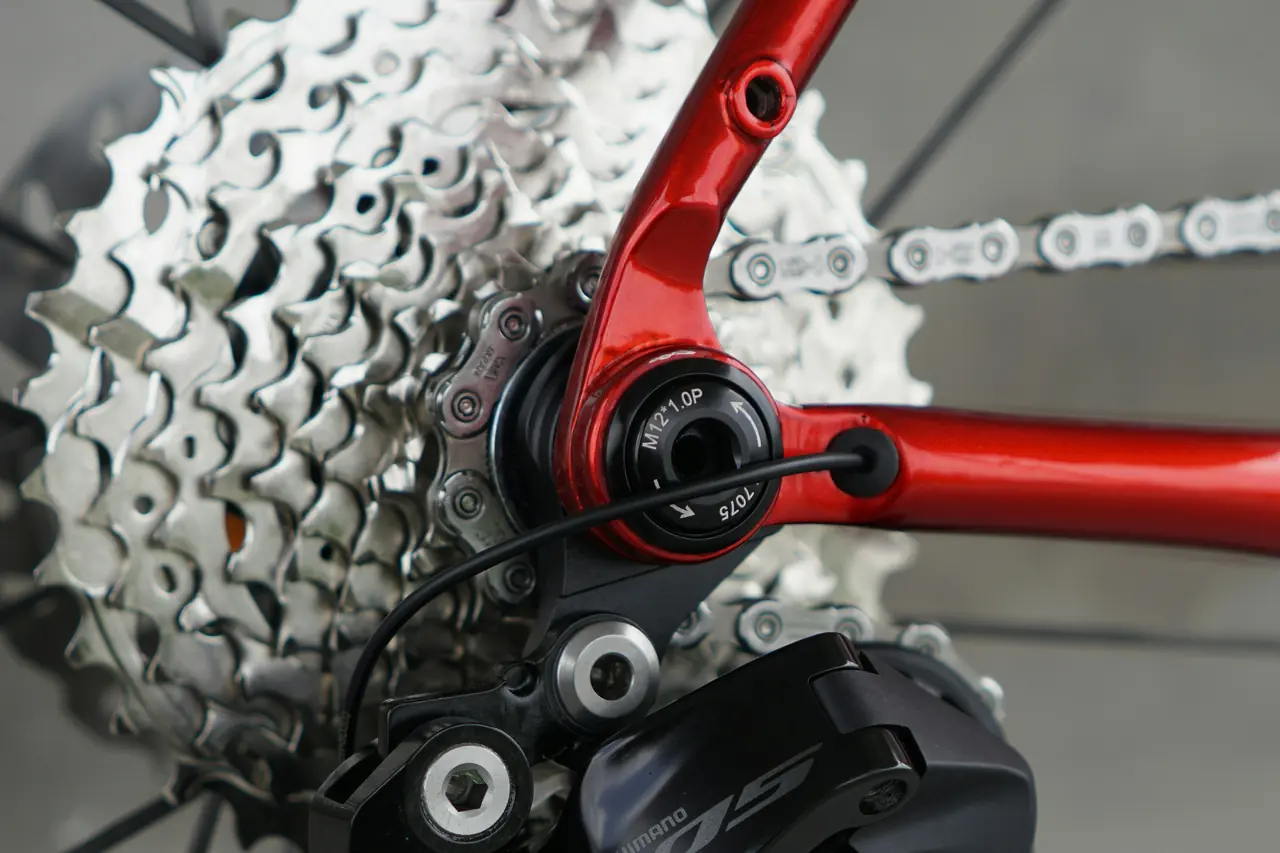
Drivetrain
A cluster of several sprockets of different sizes mounted on the rear wheel hub.
Learn more about the Cassette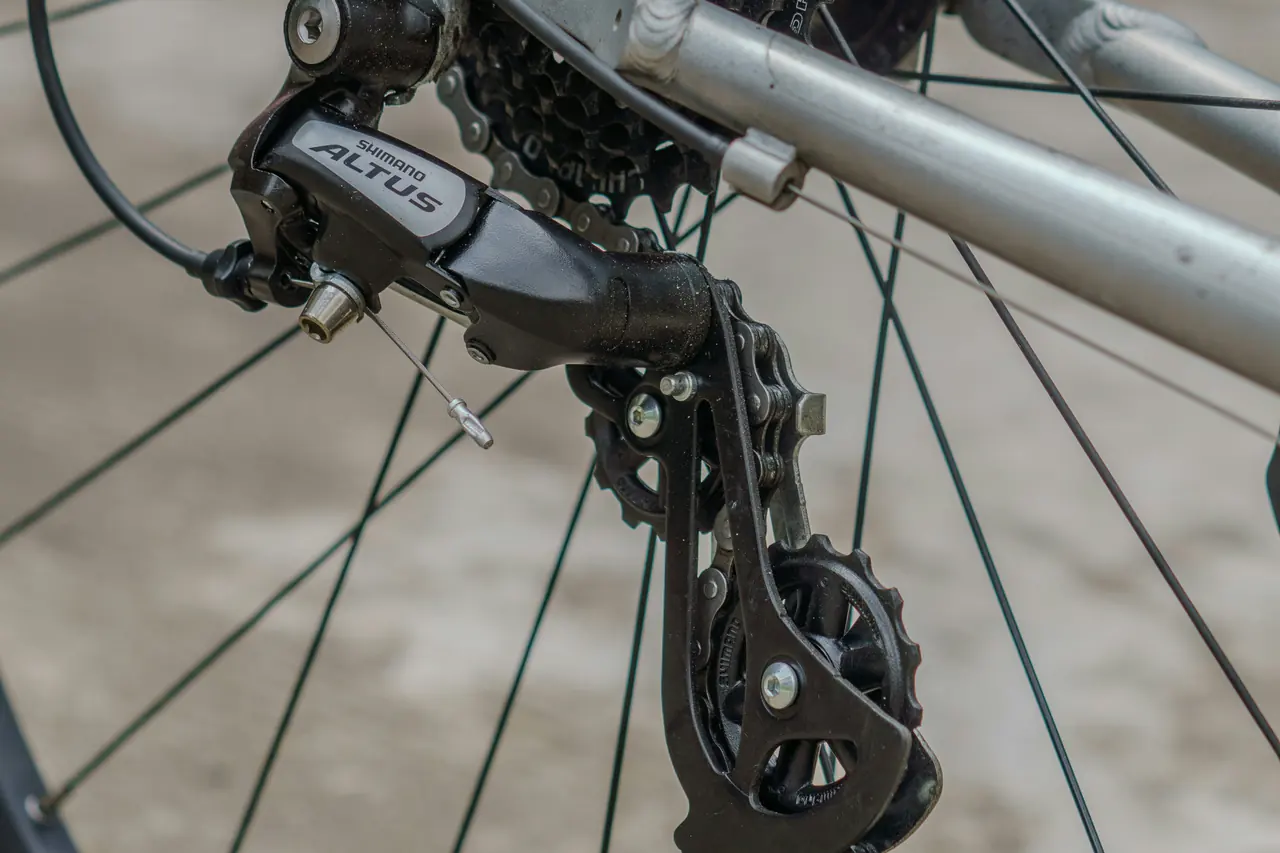
Drivetrain
A sprung mechanism mounted near the rear wheel that guides the chain.
Learn more about the Rear Derailleur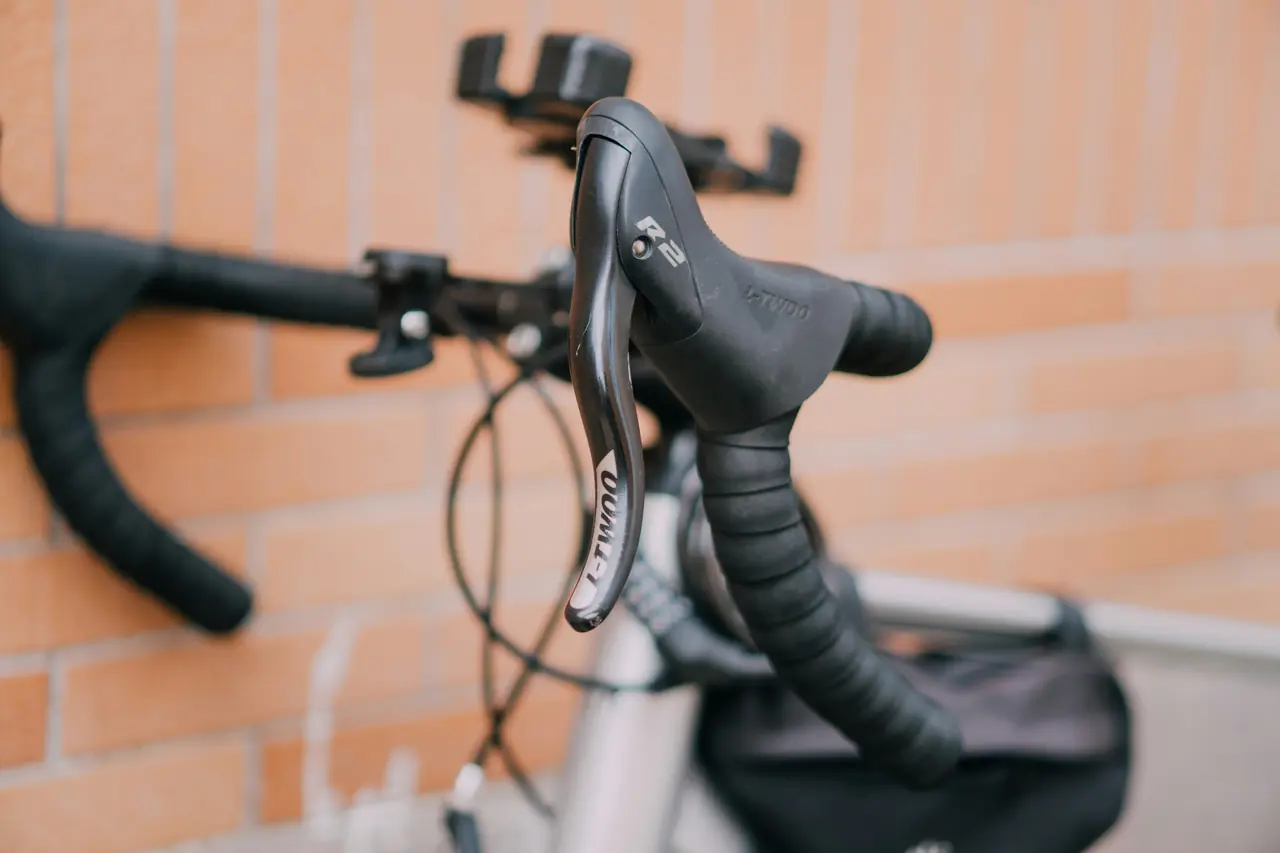
Braking System
The lever on the handlebar that the rider pulls to brake.
Learn more about the Brake Lever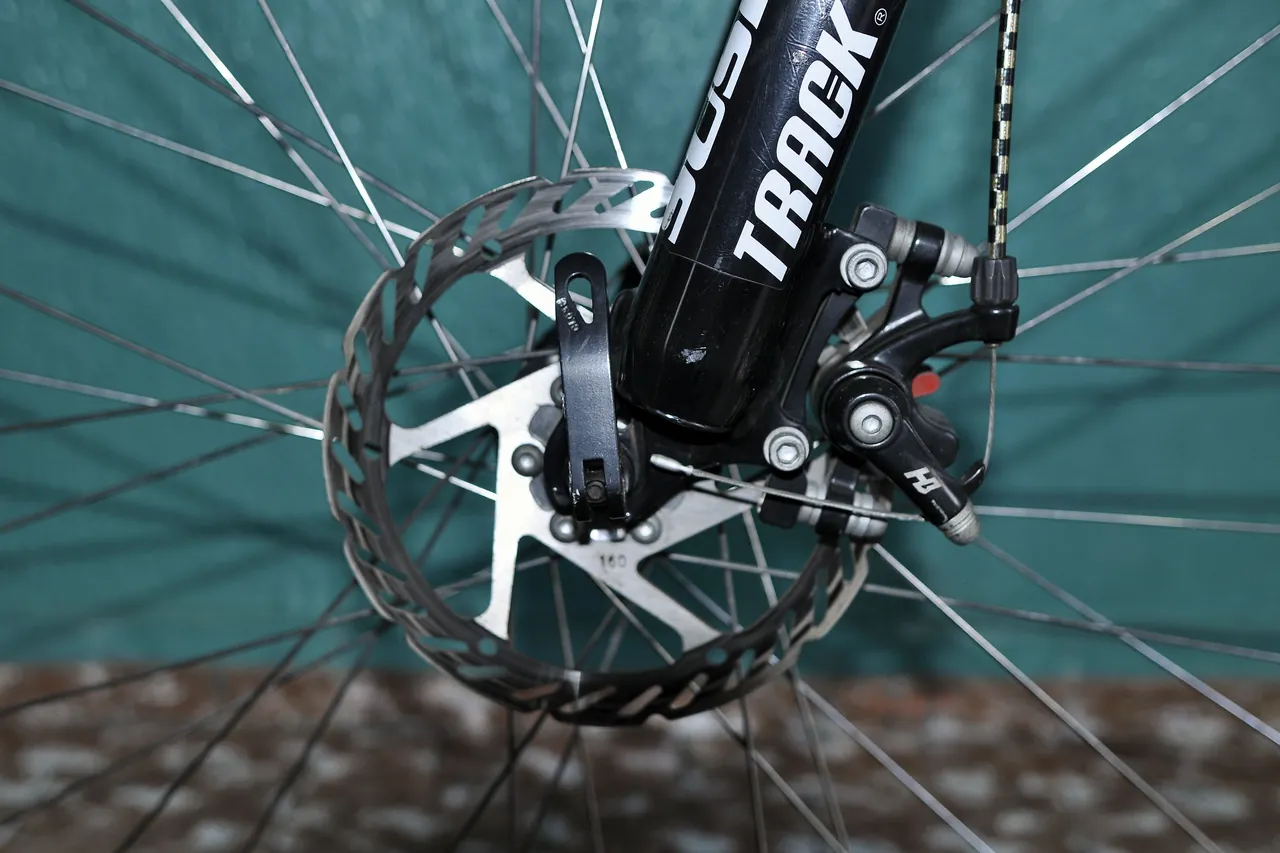
Braking System
The part that holds the brake pads next to the rim or the brake rotor.
Learn more about the Brake Caliper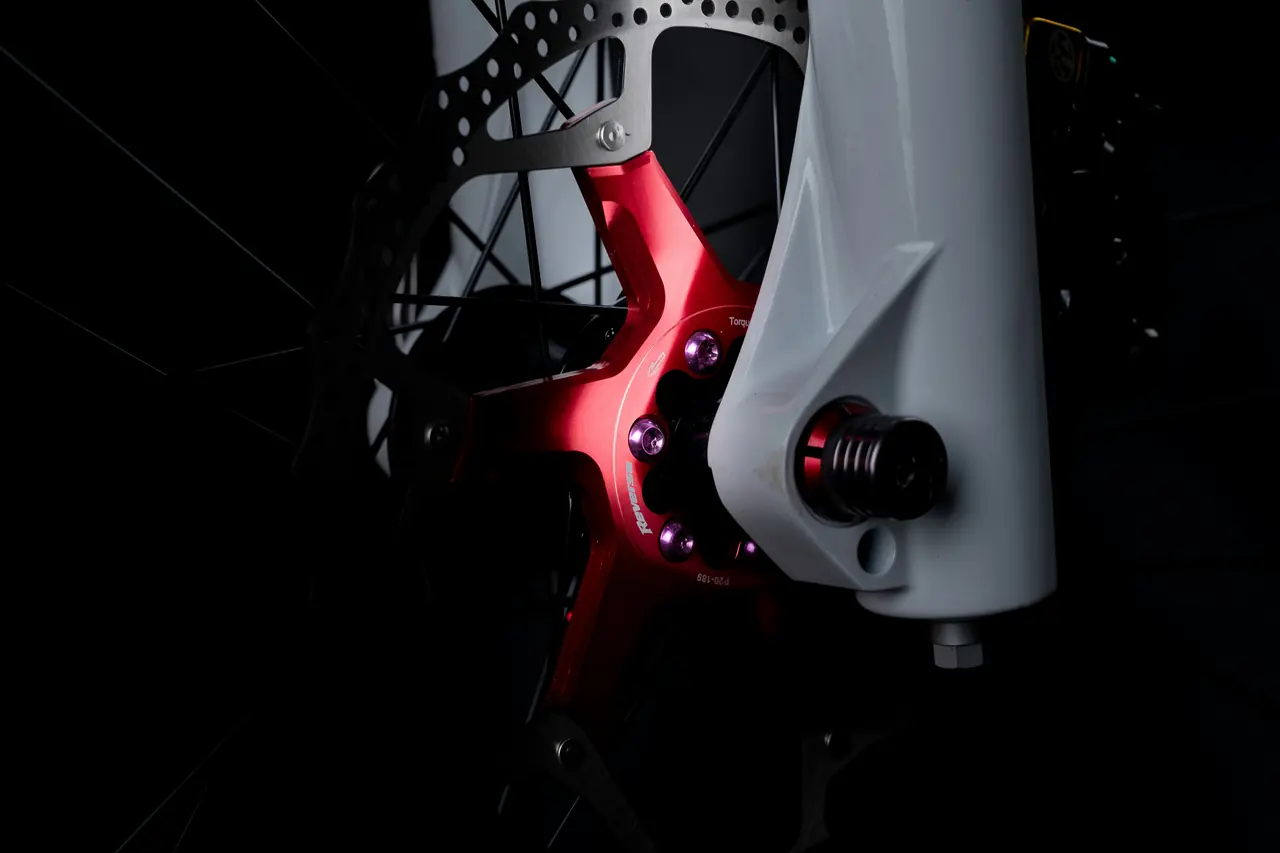
Braking System
A metal disc bolted to the wheel hub on bicycles with disc brakes.
Learn more about the Brake Rotor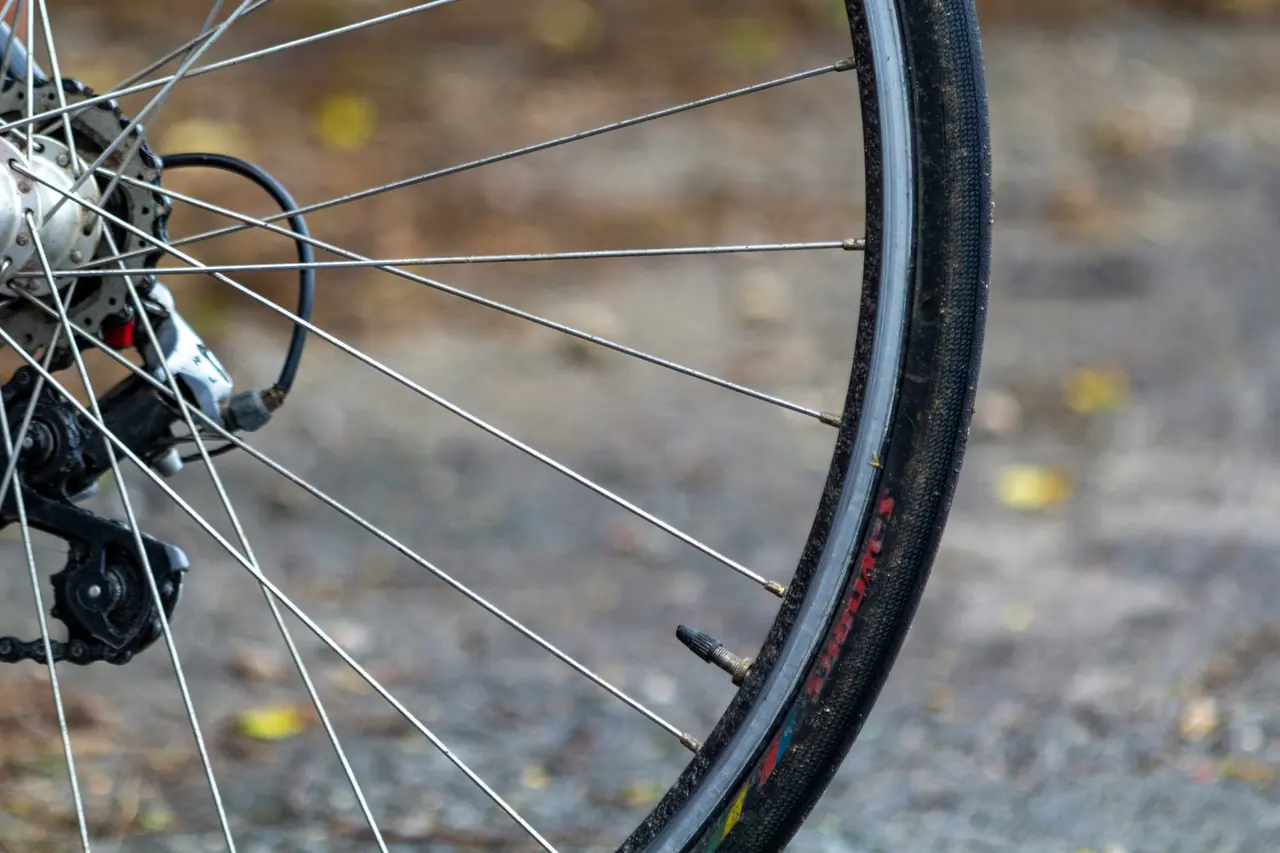
Wheel System
The outer metal or carbon hoop of the wheel that the tyre is mounted on.
Learn more about the Rim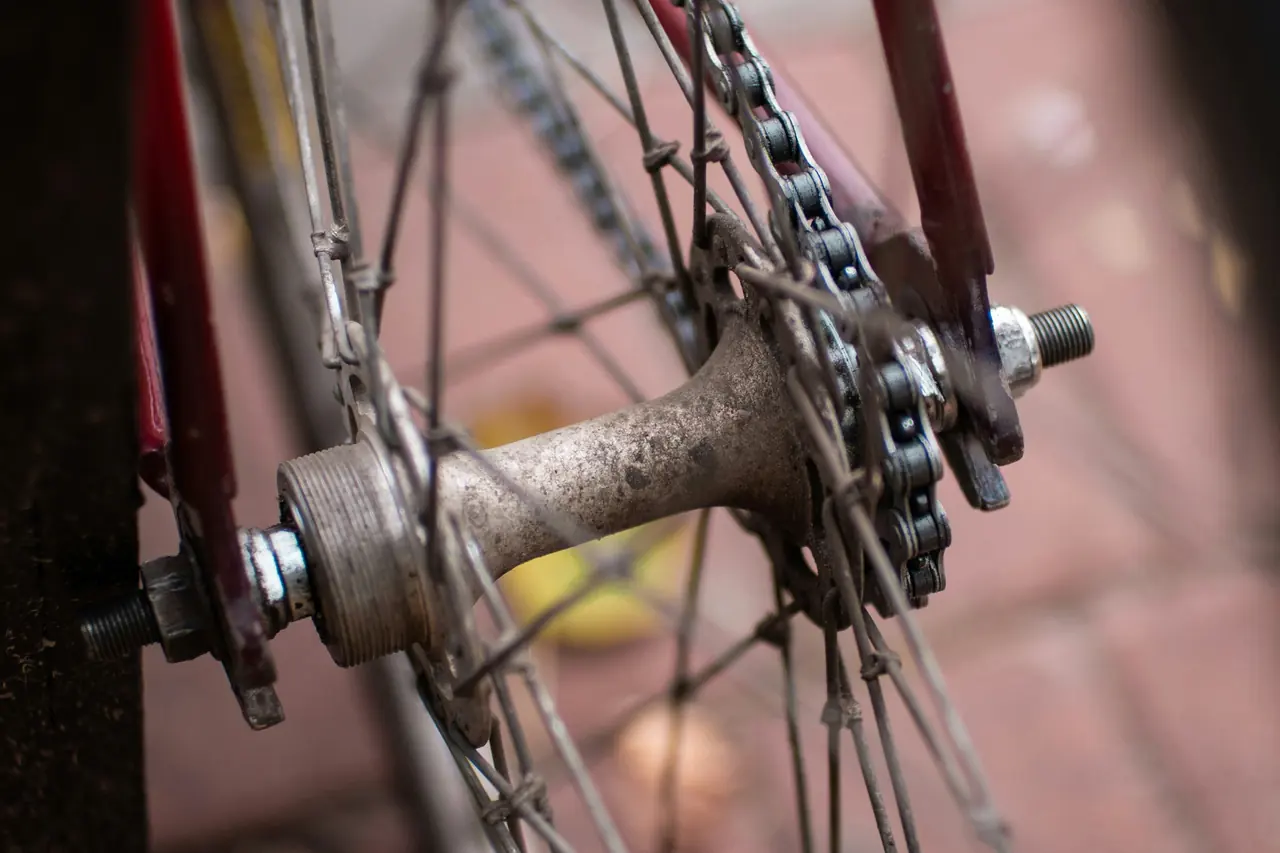
Wheel System
The hub is the centre of the wheel and contains the bearings. The spokes are thin metal rods connecting the hub to the rim.
Learn more about the Hub & Spokes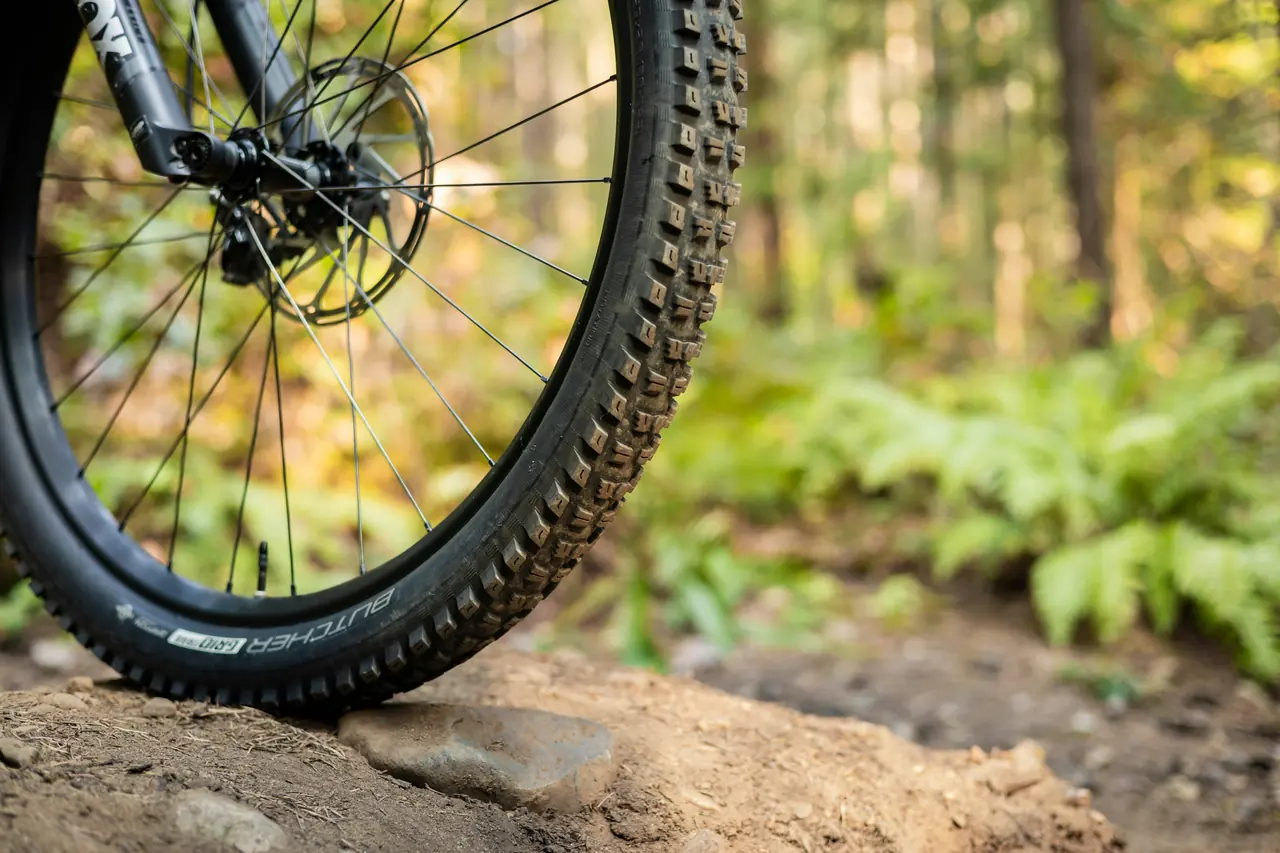
Wheel System
The rubber outer layer of the wheel that touches the ground.
Learn more about the Tyre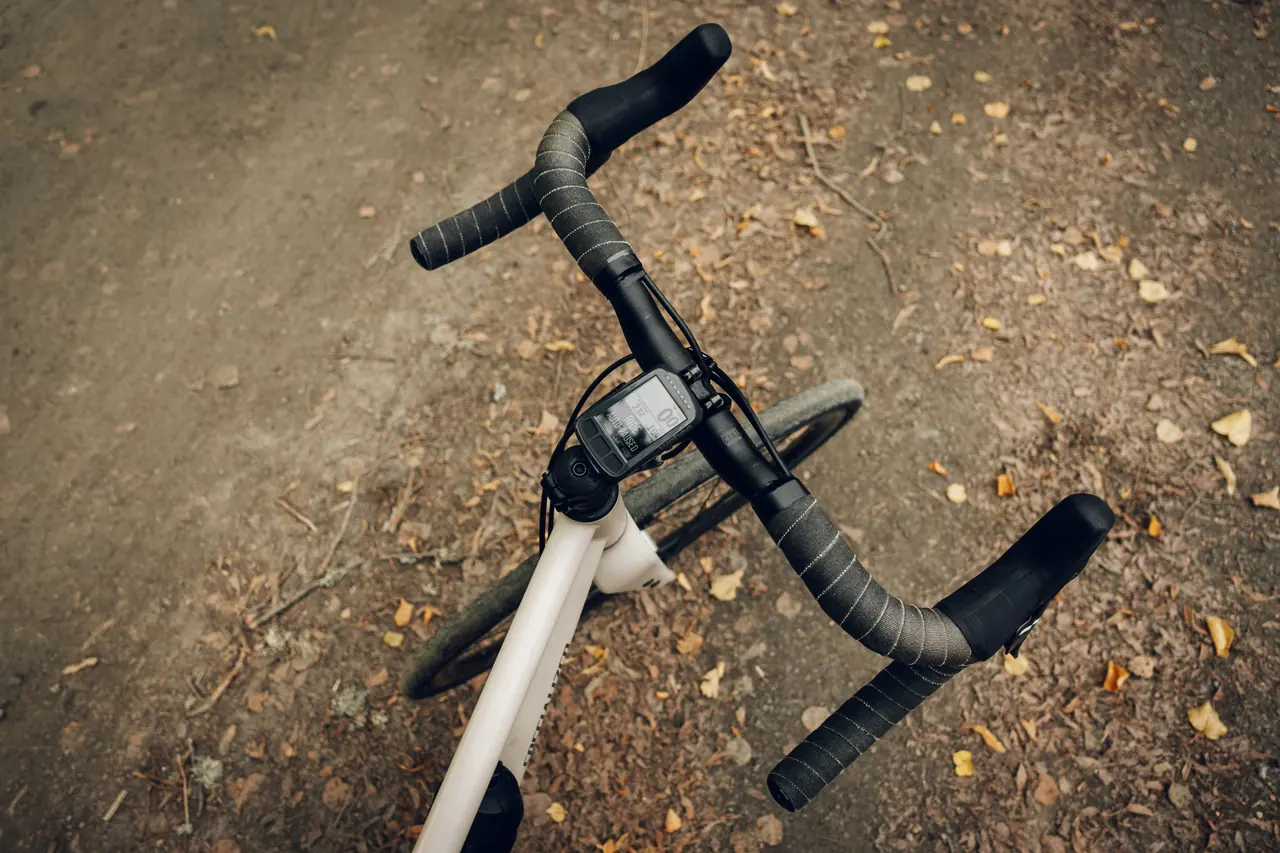
Cockpit / Steering
The bar that the rider holds to steer. Common shapes include drop bars and flat bars.
Learn more about the Handlebar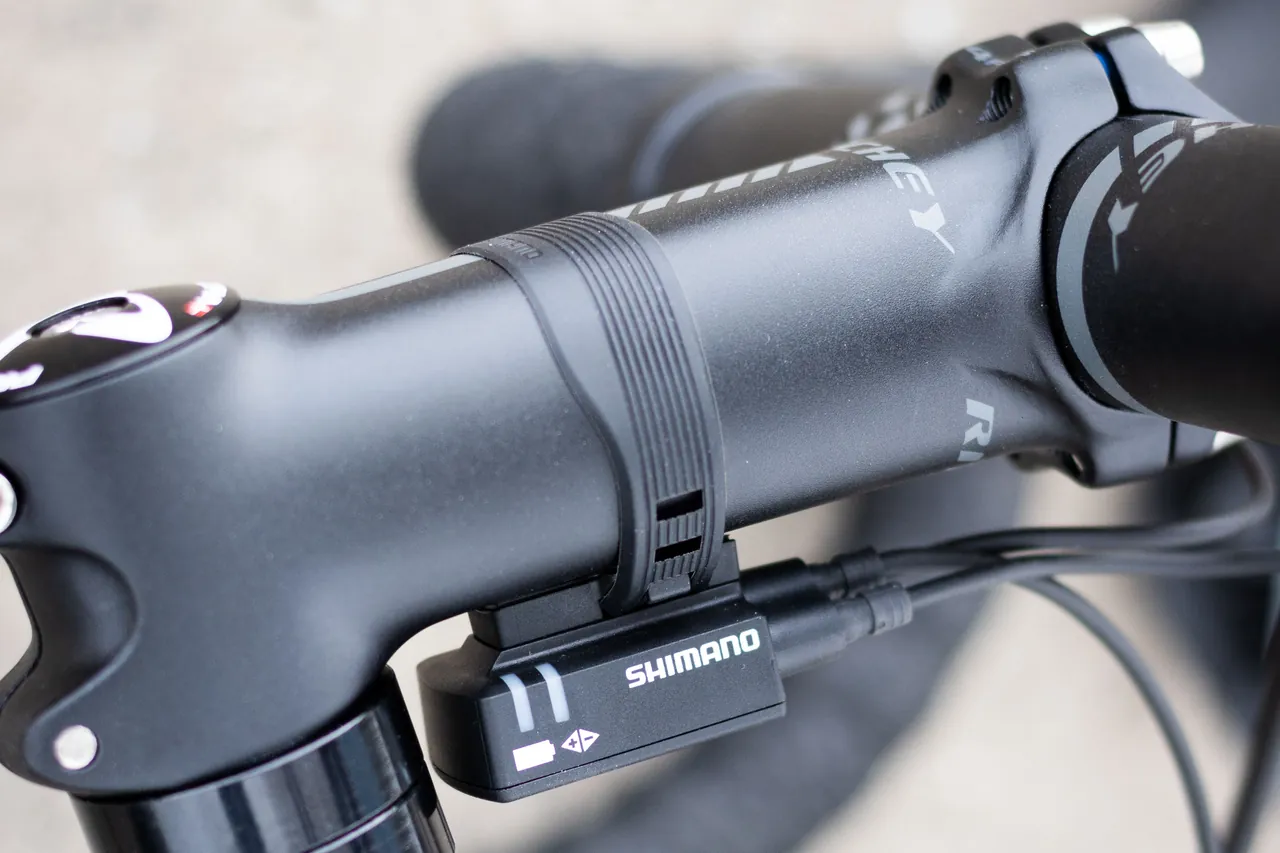
Cockpit / Steering
The short part that clamps the handlebar to the fork's steerer tube.
Learn more about the Stem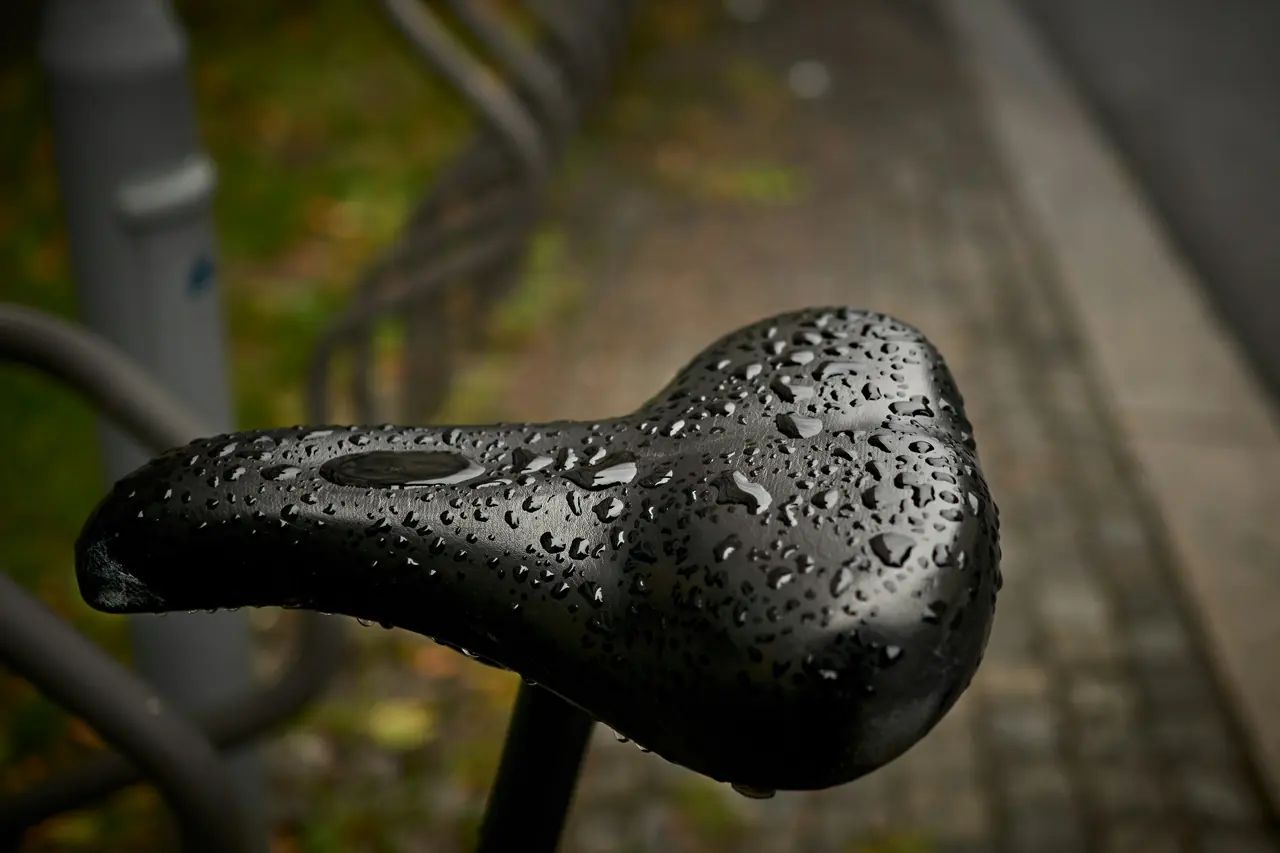
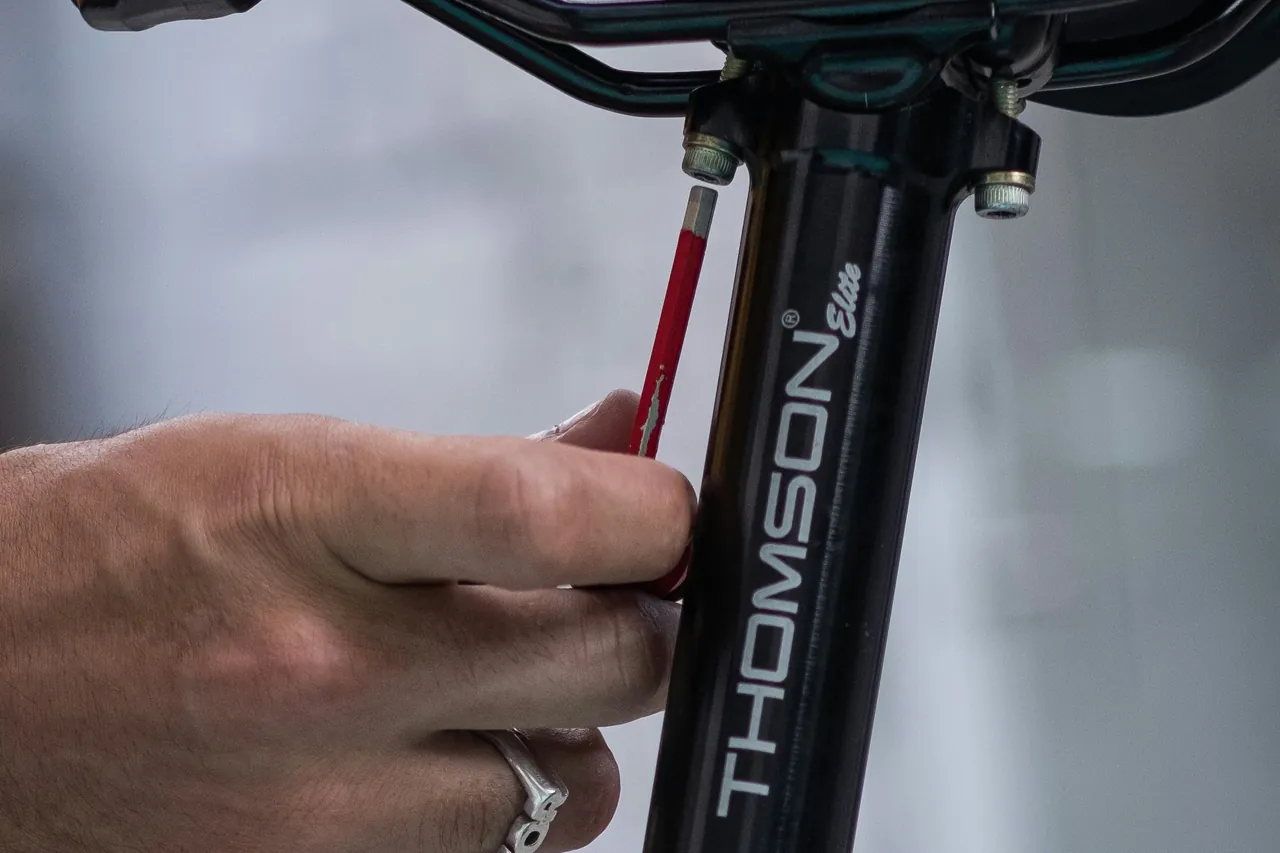
Seating
The tube that holds the saddle and slides into the frame's seat tube.
Learn more about the Seatpost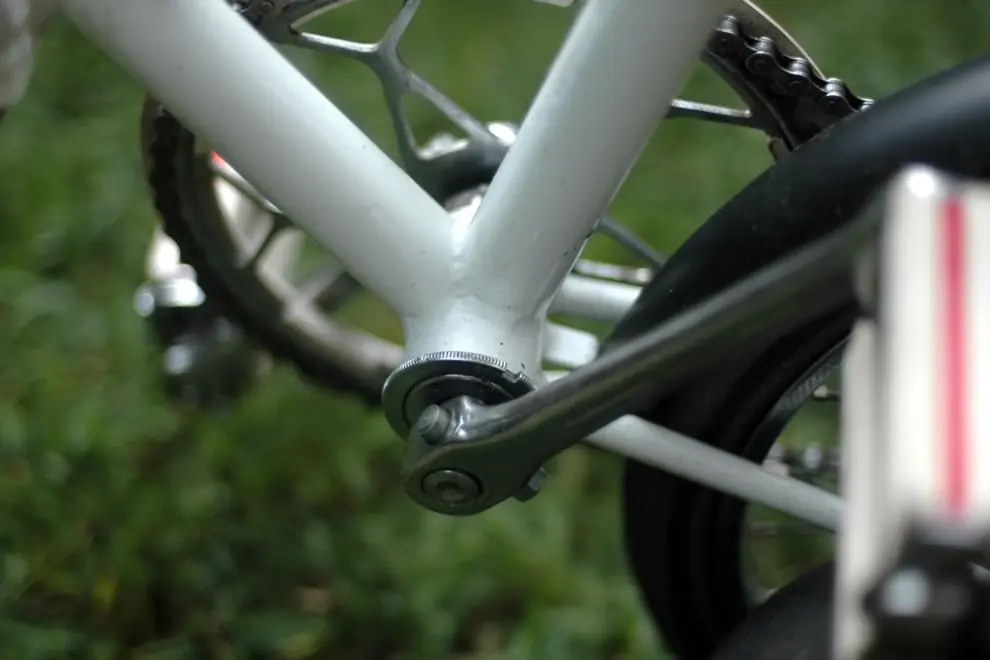
Drivetrain
The bearings inside the frame where the crank axle passes through. They let the cranks spin smoothly and take the force of every pedal stroke.
Drivetrain
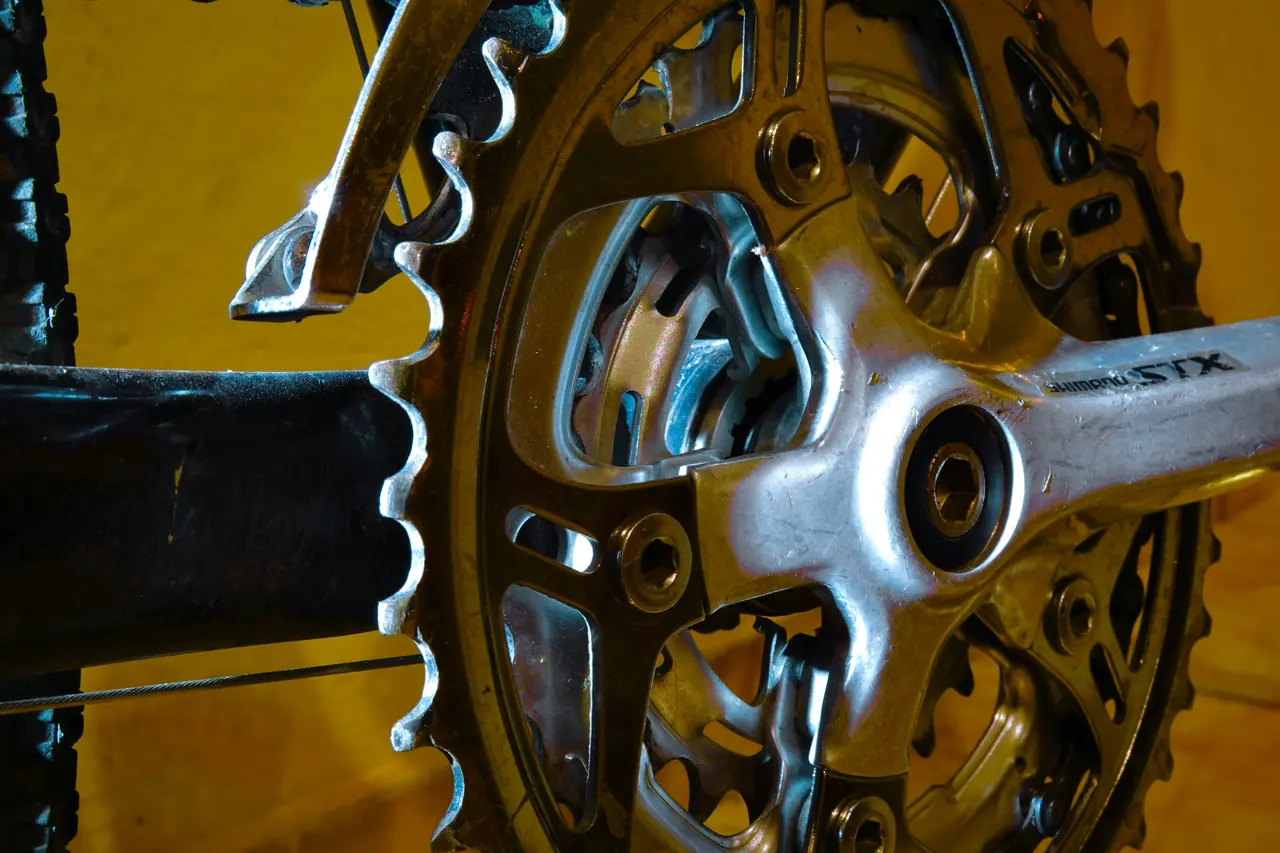
The toothed rings on the crankset. On bikes with two or three, a front derailleur moves the chain between them: a larger ring gives a harder, faster gear and a smaller one makes climbing easier.
Suspension
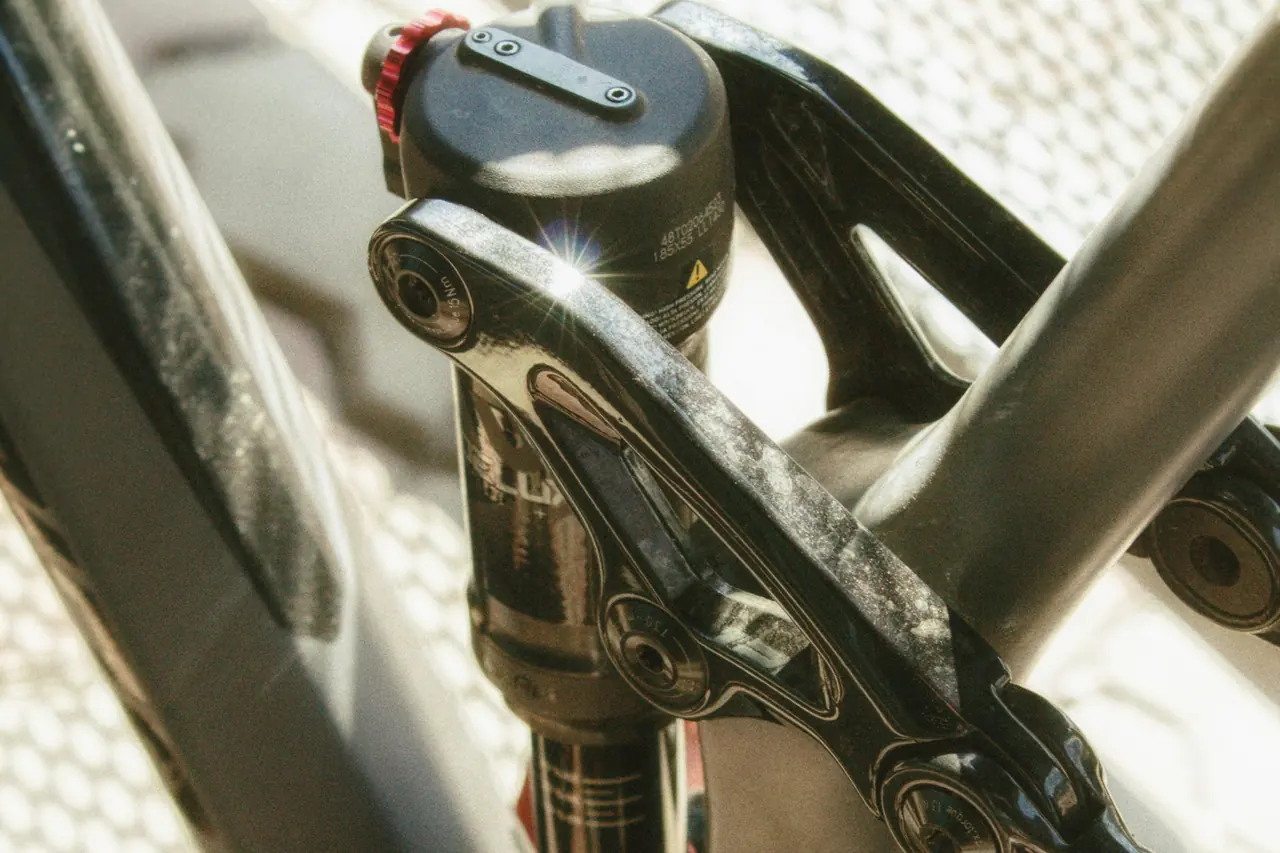
Found on full-suspension mountain bikes. It compresses over bumps so the rear wheel can follow the ground, which improves grip and comfort.
Bicycle parts grouped by the job they do together.
The backbone of the bicycle. It provides the structure, holds every other part in place and defines the riding position.
The system that converts the rider's pedalling into forward motion by transferring power to the rear wheel.
The parts that let the rider control speed and stop safely.
The parts that roll along the ground. They affect grip, comfort and how efficiently the bicycle moves.
The parts the rider holds to steer, control the bicycle and support the upper body.
The parts that support the rider's weight and set the saddle height and position.
Bicycle components work as connected systems. In the drivetrain, the rider's effort passes through several parts before it moves the bicycle forward.